
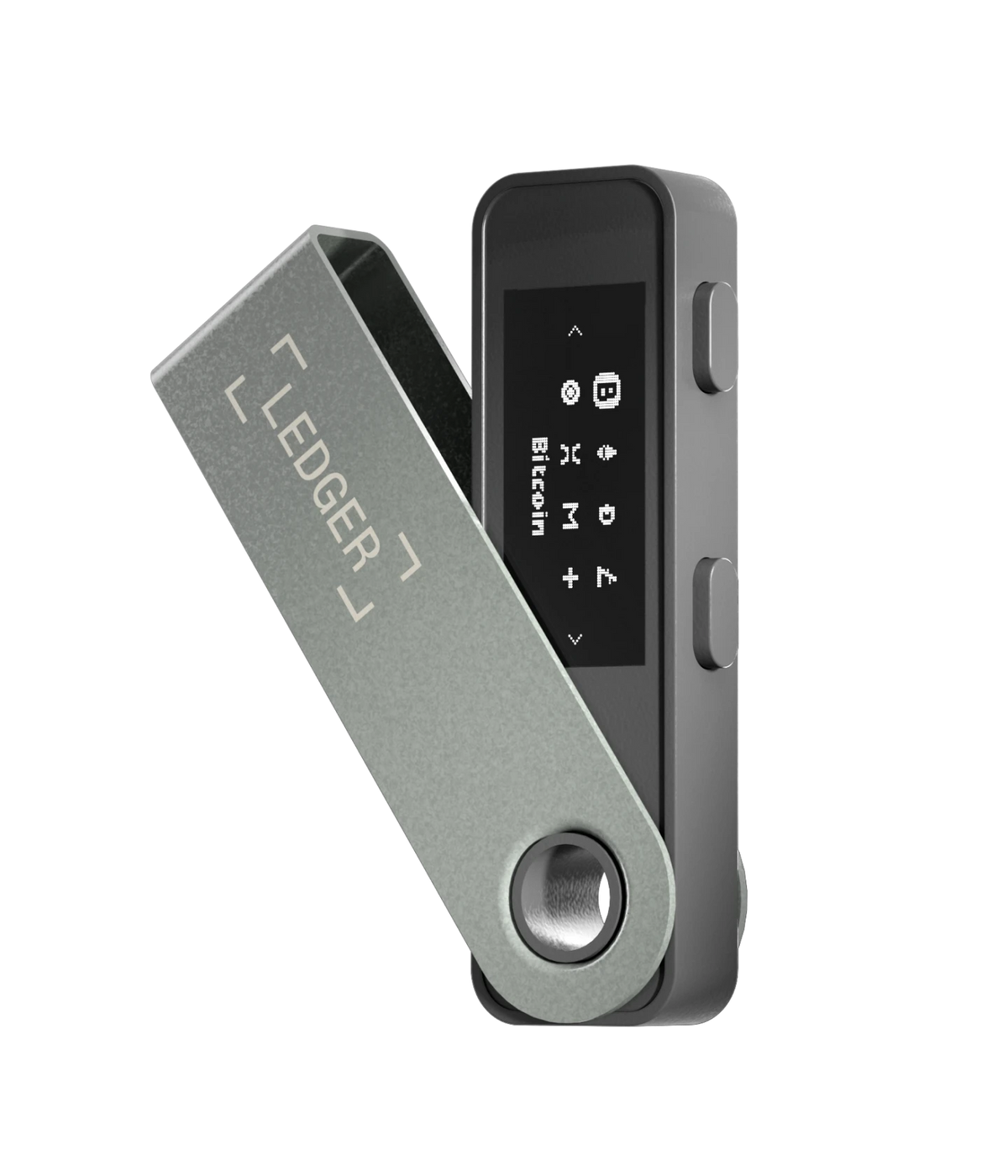
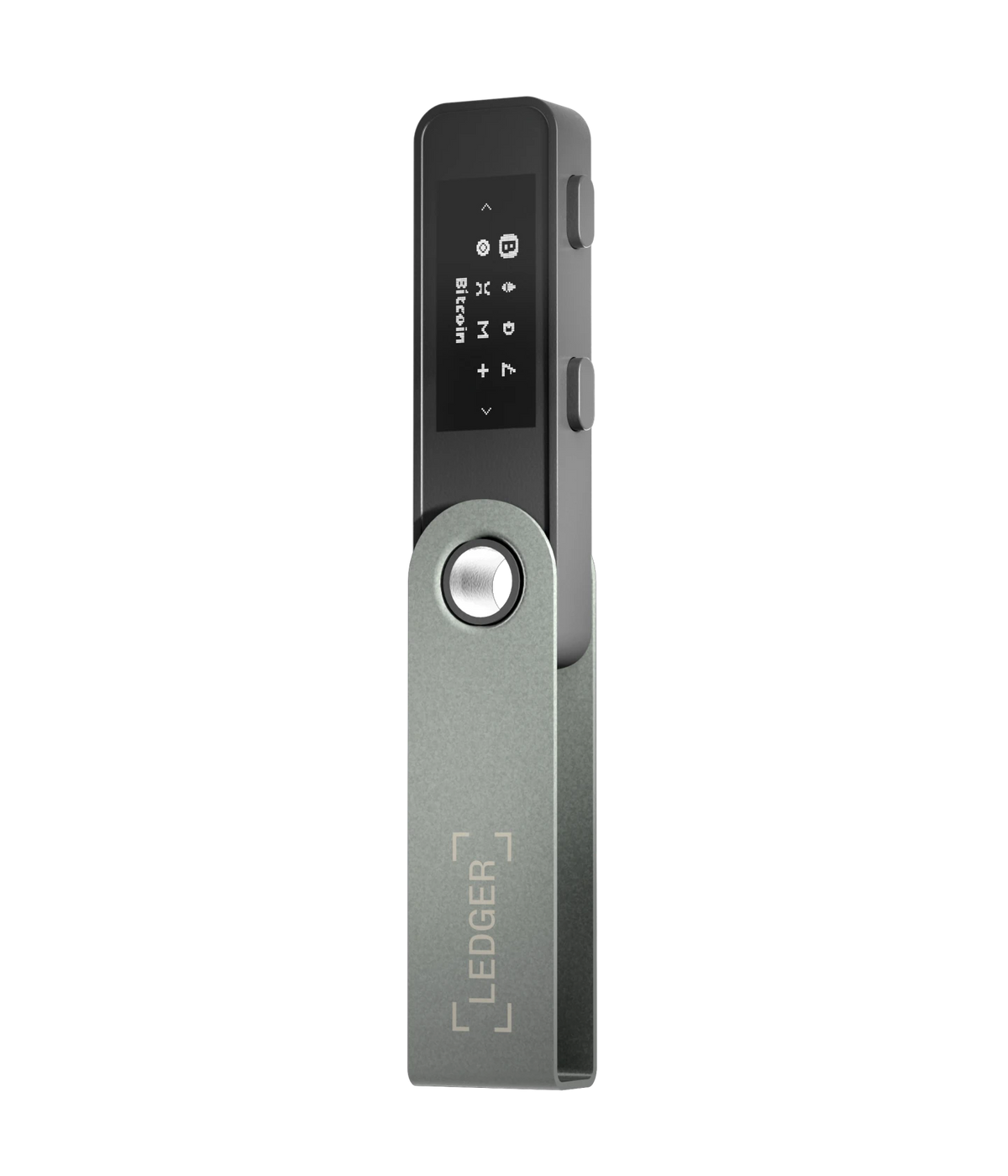
Ledger Nano S Plus is a compact USB-C hardware wallet for users who prioritize essential self-custody features over wireless connectivity or a touchscreen. It retains Ledger’s Secure Element and on-device confirmation model in one of the company’s most affordable formats.
Ledger Nano S Plus explained
Nano S Plus stores and uses private keys in a dedicated hardware environment. Ledger Wallet or a compatible third-party wallet prepares transactions, while the Nano screen displays details and its two physical buttons approve or reject the action. This keeps keys separated from the everyday computer used to browse websites and access crypto services.
The device has a 128 × 64 pixel OLED screen and connects through USB-C. It does not include Bluetooth, NFC or an internal battery, so it must be connected during use. For many long-term holders, that simplicity is a benefit: there is no wireless connection to manage and no battery to maintain.
Security model
Nano S Plus combines Ledger OS with a Secure Element chip. The operating system isolates installed blockchain applications, and confirmation requires interaction with the physical device. The screen is therefore an important security boundary—always trust the address and amount shown there over information displayed only in a browser.
USB-only operation does not eliminate phishing or malicious contracts. An attacker may still persuade a user to approve the wrong transaction. Read every available field, send a small test transfer when appropriate and avoid installing software from advertisements or unofficial download pages.
Assets, apps and typical workflow
- Install Ledger Wallet from Ledger’s verified official website.
- Initialize the Nano S Plus privately and record the recovery information offline.
- Install only the blockchain applications you need.
- Verify receive addresses on the hardware screen.
- Review every outgoing transaction before pressing both buttons to approve.
Ledger supports thousands of coins and tokens across its ecosystem, although direct management features vary by asset and some require third-party wallets. Check support for your exact network and token rather than relying on a general compatibility claim.
Who is Nano S Plus for?
Nano S Plus is a logical choice for a beginner who wants a lower-cost hardware wallet, a long-term holder who mainly uses a computer, or an experienced owner who needs an additional signing device. It is also useful when wireless connectivity is unwanted. Users who transact regularly from a phone may prefer Nano X, Nano Gen5 or Flex.
Limitations
The small screen and two-button interface require more scrolling than Ledger’s touchscreen models. There is no Bluetooth and no standalone battery, and the package does not provide the same premium display or included Recovery Key experience as newer touchscreen devices. These trade-offs reduce convenience rather than the need for good backup practices.
Buying and setup checklist
Purchase through a source you trust, inspect the package and let Ledger Wallet perform its genuine-device check. A new Nano S Plus should generate recovery information during your own setup. Do not use a PIN or recovery phrase found on a card in the box, and do not enter secret words into the companion application during ordinary initialization.
Start with one supported asset and a small transfer. Verify the receiving address on the OLED display, then practice sending a small amount back. This confirms the cable, software and approval process before significant funds are involved. Keep the recovery backup somewhere resistant to loss or damage and separate from the device; the hardware can be replaced, but an exposed or destroyed backup can undermine the entire plan.
Verdict
Ledger Nano S Plus remains a focused entry point to hardware-wallet self-custody. It offers the core protections most buyers need without charging for mobile wireless features. Before buying, compare its connection requirements and display with Nano X and Nano Gen5. After purchase, protect the recovery backup more carefully than the device itself: anyone who obtains valid recovery information may be able to restore access elsewhere.